Understanding the psychological triggers that influence gambling behavior
The Role of Emotion in Gambling
Emotions play a pivotal role in gambling behavior, acting as powerful motivators that can lead individuals to engage in risk-taking activities. Many gamblers experience a rush of excitement when they place a bet or spin a slot machine, which can create a euphoric state often referred to as a “gambling high.” This emotional response can cloud judgment and encourage continued play, even when losses mount. The thrill of potential wins can elicit feelings of hope and anticipation that override rational decision-making, and many people look for top 10 football betting sites to enhance their gaming experience.
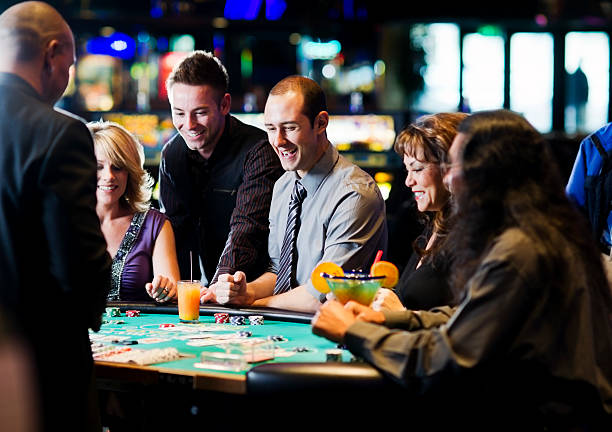
Moreover, emotions such as boredom or loneliness can trigger gambling behavior as individuals seek an escape or distraction. This emotional connection to gambling can lead to a pattern where individuals use gambling as a coping mechanism for negative feelings. Understanding this link between emotion and behavior is crucial for recognizing when gambling becomes problematic and may evolve into a compulsion or addiction.
The interplay between emotions and gambling is further complicated by the psychological phenomenon known as “near misses.” When players come close to winning, their emotional response can lead them to believe that a win is just around the corner. This false perception not only fuels continued gambling but can also distort reality, causing players to chase losses in hopes of experiencing that exhilarating moment again.
The Influence of Cognitive Biases
Cognitive biases significantly shape gambling behavior, leading players to make irrational decisions based on flawed reasoning. One common bias is the “illusion of control,” where individuals believe they can influence outcomes in games of chance, such as dice rolls or card draws. This belief can prompt gamblers to take unnecessary risks, convinced that their actions will lead to favorable outcomes. This cognitive distortion can be particularly prevalent in poker, where players may think their skills give them an edge over randomness.
Another prevalent cognitive bias is the “gambler’s fallacy,” which leads individuals to believe that past outcomes affect future probabilities. For example, a player might assume that a slot machine is “due” for a payout after a series of losses, prompting them to gamble more. This misinterpretation of randomness can create a cycle of chasing losses, ultimately leading to deeper financial consequences and potentially reinforcing addictive behaviors.
Understanding these cognitive biases provides insight into why many gamblers struggle to recognize the inherent risks involved. By acknowledging these patterns of thought, individuals can better equip themselves to make informed choices and recognize when their decision-making processes may be leading them down a harmful path.
The Impact of Social Influences
Social influences can play a considerable role in shaping gambling behavior, with peer pressure and cultural norms acting as significant motivators. Many individuals are introduced to gambling within social contexts, such as family gatherings or nights out with friends. These experiences can normalize gambling and create a perception that it is a harmless pastime. As a result, individuals may be more inclined to participate in gambling activities, often overlooking the associated risks.
Moreover, social environments can amplify the excitement of gambling. The communal aspect of casinos, for instance, can foster a sense of camaraderie among players, encouraging them to engage in behavior they might avoid when alone. This social reinforcement can heighten the thrill of gambling, leading to impulsive decisions and increased risk-taking. The collective enthusiasm of a crowd can overshadow individual caution, perpetuating a cycle of gambling that is difficult to break.
Additionally, social media and advertising play a crucial role in shaping perceptions of gambling. The portrayal of gambling as glamorous and fun can attract new players and reinforce existing behaviors. As individuals see friends or influencers sharing their wins and experiences, they may feel compelled to try their luck, often disregarding the potential for loss. Understanding the social dynamics at play can help individuals recognize the external factors that may be influencing their gambling habits.
The Role of Environment in Gambling Behavior
The environment in which gambling takes place significantly affects behavior and decision-making. Casinos and gaming establishments are designed to create an immersive experience, utilizing lighting, sound, and layout to keep players engaged. The use of bright colors, enticing sounds, and a lack of clocks are all tactics aimed at encouraging longer play times. This carefully crafted atmosphere can lead individuals to lose track of time and their financial boundaries, making it easier to gamble beyond their means.
Furthermore, the convenience of online gambling platforms has transformed traditional gambling behaviors. The ability to gamble from home or on mobile devices provides instant access, which can increase the likelihood of impulsive gambling. Players may be more prone to engage in risky behavior when the barriers to entry are low, leading to a greater chance of excessive play. This accessibility can make it challenging for individuals to establish healthy limits and can contribute to the development of gambling-related problems.
Creating a supportive and healthy gambling environment is essential in minimizing risk. Strategies such as setting time limits, budgeting for gambling expenses, and seeking social support can help mitigate negative influences. By recognizing how environmental factors impact behavior, individuals can take proactive steps to ensure that their gambling experiences remain enjoyable and responsible.

Concluding Thoughts on Gambling Behavior
Understanding the psychological triggers that influence gambling behavior is crucial for promoting responsible gaming and preventing addiction. By examining the roles of emotion, cognitive biases, social influences, and environmental factors, individuals can gain insights into their behavior and make more informed choices. Awareness of these psychological elements can empower gamblers to recognize potential pitfalls and take action when necessary.
Engaging in self-reflection and seeking support can also play a vital role in managing gambling behavior. Those who find themselves struggling with compulsive gambling should consider reaching out to professionals or support groups that specialize in gambling addiction. Acknowledging the psychological triggers at play is the first step toward cultivating a healthier relationship with gambling.